
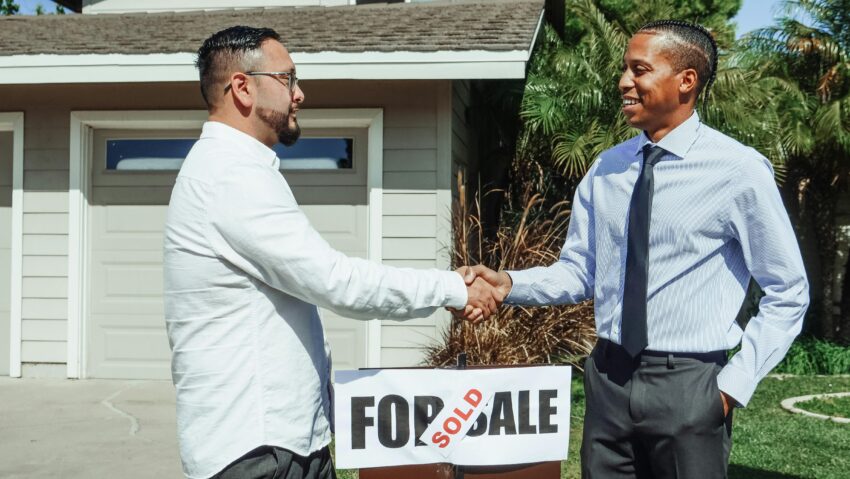
Sales is no longer just about closing deals—it’s about building relationships. Customers today are more informed, more skeptical, and more selective about who they do business with. The best salespeople don’t just sell a product or service; they build trust and become long-term partners to their clients.
When you shift your mindset from “How can I close this sale?” to “How can I build a lasting relationship?”, you’ll see better engagement, stronger loyalty, and more repeat business.
In this article, we’ll cover:
✔ Why trust is the foundation of successful sales
✔ Common mistakes that break trust (and how to avoid them)
✔ Step-by-step strategies to build trust at every stage of the sales process
✔ How to turn one-time customers into long-term partners
Why Trust is the Key to Sales Success
Customers today have unlimited choices and can compare prices, reviews, and competitors within seconds. The deciding factor? Trust.
🔹 People buy from those they trust. If they believe in you, they’ll be more willing to listen to your recommendations.
🔹 Trust reduces resistance. When customers trust you, they raise fewer objections and make decisions faster.
🔹 Trust leads to repeat business. If customers see you as a reliable partner, they’ll return and refer others.
🔹 According to a Salesforce study, 79% of customers say trust is the most important factor in their buying decisions.
Without trust, even the best sales pitch will fail.
Common Sales Mistakes That Break Trust
🚫 Overpromising and Underdelivering
- Saying “This product will solve all your problems” sets unrealistic expectations.
- Instead, be honest: “This will help with X, but for Y, we might need an additional solution.”
🚫 Focusing Only on the Sale
- If customers feel like you only care about their money, they’ll disengage.
- Instead, show you care about their success—even if they don’t buy today.
🚫 Talking More Than Listening
- If you dominate the conversation, customers won’t feel heard.
- Instead, practice active listening and ask thoughtful questions.
🚫 Being Inconsistent
- If you say one thing but do another, trust disappears.
- Instead, follow through on commitments and be transparent.
🚫 Pressuring the Customer
- Hard sales tactics can backfire and create doubt.
- Instead, guide them to a decision at their own pace.
Step-by-Step Guide to Building Trust in Every Sales Interaction
1️⃣ The First Impression: Establish Credibility from the Start
Your first interaction sets the tone for the relationship.
✔ Be Professional Yet Approachable
- Confidence is key, but arrogance kills trust.
- Use a warm, friendly tone—people trust those they feel comfortable with.
✔ Do Your Research
- Learn about the prospect’s industry, business, and pain points before the call.
- Show them you understand their world.
✔ Be Transparent
- If your product isn’t the right fit, say so. Customers appreciate honesty.
- Example: “I want to make sure this is the best solution for you—let’s explore if it’s a good fit.”
2️⃣ Discovery: Show That You Care
Instead of jumping into a sales pitch, start by understanding their needs.
✔ Ask Thoughtful Questions
Great questions build rapport and uncover real needs. Examples:
- “What’s your biggest challenge right now?”
- “What would a successful solution look like for you?”
- “What has frustrated you about past solutions?”
✔ Listen More Than You Talk
- Aim for the 80/20 rule—let them talk 80% of the time.
- Take notes and acknowledge their concerns.
✔ Validate Their Concerns
- “I hear that reliability has been a challenge for you. That makes total sense. Let’s talk about how we handle that.”
- This reassures them that you’re listening and understand their struggles.
3️⃣ Presentation: Build Confidence Through Value, Not Hype
Once you understand their needs, position your solution as a valuable tool, not just a product.
✔ Focus on Their Goals, Not Features
- Instead of listing features, connect them to the customer’s goals.
- “Because you’re looking to save time, our automation feature will cut manual work by 50%.”
✔ Use Social Proof
- Trust is built through proof and credibility.
- Share case studies, testimonials, or success stories from similar clients.
✔ Be Open About Pricing
- Customers trust transparent pricing over vague answers.
- “Our pricing is structured based on your needs—here’s what that looks like for businesses your size.”
4️⃣ Handling Objections: Address Concerns with Honesty
Objections aren’t rejections—they’re opportunities to build more trust.
✔ Acknowledge and Validate
- “I understand that budget is a concern—that makes sense.”
- This reassures them that their hesitation is normal.
✔ Use a Collaborative Approach
- Instead of arguing, solve the problem together.
- “Let’s explore some options to make this work within your budget.”
✔ Never Fake Urgency
- False scarcity (“Only two left!” when there aren’t) destroys credibility.
- Instead, highlight real deadlines: “Pricing is locked in until the end of the month.”
5️⃣ Closing: Make It Easy to Say Yes
When trust is built, closing the deal feels natural.
✔ Summarize What They Care About
- “Based on what you shared, this will help with [specific challenge], while also improving [specific goal].”
✔ Offer a Clear Next Step
- Instead of saying, “So, do you want to buy?” say:
✅ “Would you like to move forward with the standard package, or should we explore the premium option?”
✅ “Let’s set up a trial period so you can experience the benefits firsthand.”
✔ Give Them Control
- Customers trust salespeople who empower them.
- “You’re the best judge of what’s right for your business—what do you think?”
6️⃣ After the Sale: Become a Trusted Partner
Trust doesn’t stop when the sale closes. To turn a one-time customer into a lifelong partner, continue providing value.
✔ Follow Up Without Being Pushy
- A simple “Just checking in—how’s everything going?” can go a long way.
- Offer helpful advice even if it’s not about your product.
✔ Deliver More Than Expected
- If you promised implementation help, check in to ensure they’re set up.
- Send an additional tip or resource they might find useful.
✔ Ask for Feedback
- “How has your experience been? Anything we can improve?”
- This shows you genuinely care about their success.
✔ Stay in Touch
- Share industry news, new solutions, or personalized recommendations.
Final Thoughts: From Prospect to Partner
The best salespeople don’t sell—they guide, support, and build trust.
✔ Focus on relationships over transactions.
✔ Listen more than you talk.
✔ Be transparent, honest, and helpful.
✔ Offer value at every stage.
✔ Follow through and stay engaged after the sale.
When you treat customers as partners, not just buyers, they’ll choose you again and again.
🚀 Ready to build stronger sales relationships? Start listening, start caring, and start closing deals the right way!
Content Generated by ChatGPT